






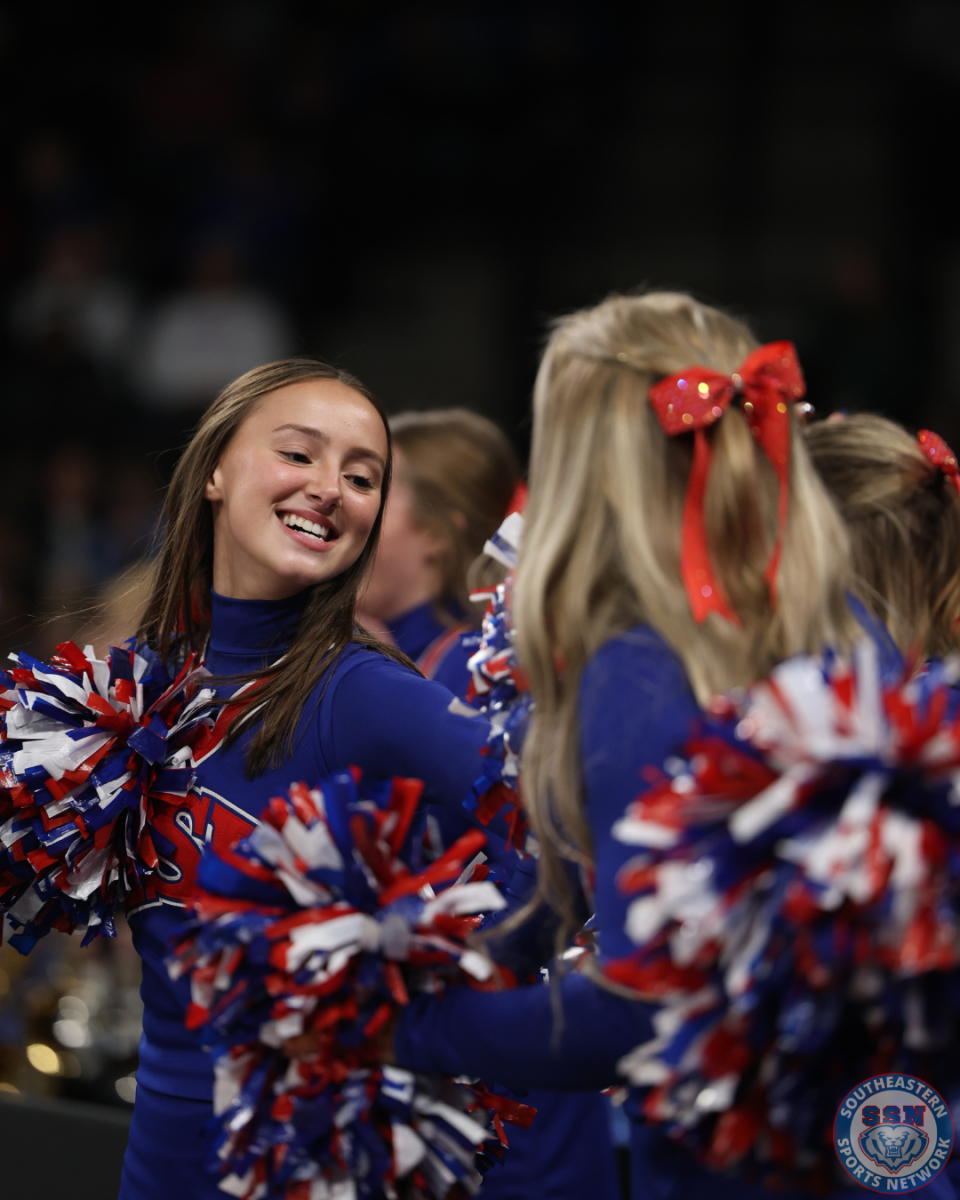
As the season comes to an end, many athletes begin to experience both mental and physical burnout due to overwhelming schedules and limited rest. For cheerleaders, the pressure can feel even more stressed because they are expected to bring energy and spirit to every event, from Girls and Boys Basketball, while maintaining demanding practice schedules. Long hours spent standing, stunting, tumbling, and yelling can gradually take a toll, leaving some athletes feeling disconnected from a sport they once loved.
“The hardest part is dealing with repetition,” Abby McCallister said. “We follow the same practice plans for months to prepare, and after a while of doing the same routines, every week can become mentally draining and harder to stay excited about.”
Although the phrase “practice makes perfect” is commonly used, it often overlooks the discrepancy between repetition and growth. Repeating the same routine without variation can lead to mental fatigue and boredom rather than improvement. While mental exhaustion plays a significant factor in burnout, physical strain also places additional stress on athletes.
“People often overlook how physically demanding throwing hard stunts and tumbling on thin floors can be,” McCallister said. “The constant impact and strain really wear on your body over time, even if it isn’t always visible.”
As McCallister explained, the repeated impact from tumbling and the physical stress of stunting places continuous pressure on athletes’ bodies. Over time, that strain can intensify feelings of fatigue and contribute to mental burnout as well. Despite these challenges, many athletes find strength through their teammates.
“Me and my friends usually hype each other up while cheering together,” Leah Zaradich said. “That always helps because it’s more fun when you’re doing it as a team together”
Being surrounded by a supportive system helps players remember why they started in the first place. The friendships formed throughout the season make the long practices and demanding schedules worthwhile, helping athletes push through moments of doubt or exhaustion.
“For people who are struggling with burnout, I would try to remember all the good times because it puts you in a more positive mindset,” Zaradich said. “It makes you remember that you actually love being here and it’s fun to do this.”
While burnout can feel overwhelming, many athletes come to understand that their presence and perseverance influence more than just their own experience but also shapes the environment for younger teammates.
“I would tell them to focus less on the stressful parts like constant practice and conditioning, and more on the relationships and growth that come from the experience,” McCallister said. “Supporting your team and learning through challenges can make the season feel more meaningful and rewarding.”